St. Paul Education Blog
Have you ever formed an opinion about something before getting all the facts? Of course, we would all like to believe that we have only ever drawn conclusions after receiving an abundance of information and looking at both sides fairly, but sometimes, a misconception will interrupt our process and cause us to judge erroneously.
Misconceptions are opinions held based on incorrect or faulty information. We can hold certain pieces of information in our minds as if they are true and make judgments based on faulty data.
Misconceptions exist about everything. Unfortunately, they can keep us from making good decisions for the wrong reasons.

As we approach the end of the school year, parents are ready to take a breath. It's been a long and challenging year for students and parents alike. Nevertheless, you will still be spending time reflecting on the school year, what processes worked, and what you need to do differently.
Some parents might be at the point where they are searching for alternatives for their school options. Is private school right for every child? Will your child benefit from a private education environment? In this article, we will help you answer those questions as you evaluate the past school year.
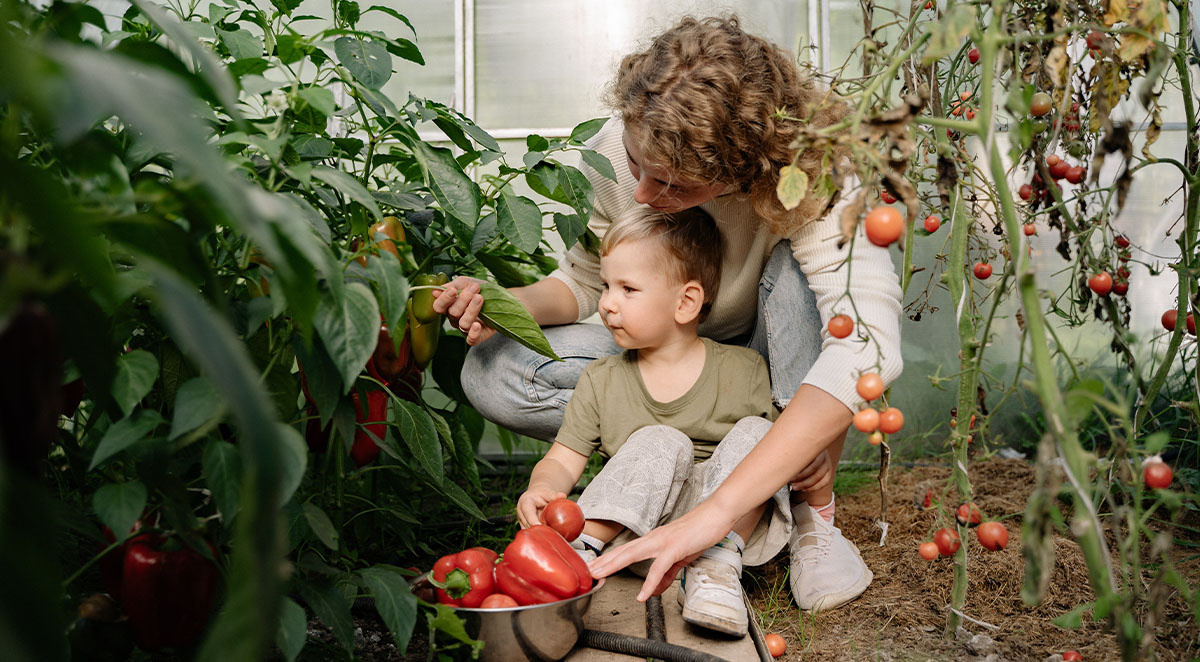
Spring has almost sprung here in Northville, Michigan. Well, in reality, we still have a little while before we can really count on the weather to give us a break from the snow and cold. Still, it’s the time of year when we just can’t help but at least try to get out in the sun and experience nature and the outdoors.
Sometimes, it may feel like you have to drag your kids away from screens and phones, especially after winter when they have grown accustomed to killing time by staring at a television or endlessly scrolling social media. At St. Paul Lutheran School, we do our best to emphasize the importance of experiencing God's magnificent creation.
Spring is almost in the air here in Northville, MI. At least, that’s what it might say on the calendar. We know it could still be months before the weather truly does begin to reflect the new season.
If you are reading this when it is published, you are likely in the thick of the most challenging part of your child’s school year while also dealing with some of the gloomiest weather of the year.
Your family may be trying to just get through the final months of school. You’re helping the kids grind out final assignments while you feel like you’re holding on by a thread. Summer could not come fast enough. However, if it comes too fast, your kids won’t have time to get all their projects and homework done.
So, why would we choose to publish an article about next school year now? This is exactly the time when you are thinking about how next year is going to be different. You may have thought the same thing last year and the year before.
Right now, many parents are thinking about how they are going to plan to make changes after the semester ends, but summer is just as busy as the school year. Today is the day to plan for the best next school year, while the experience and memories are fresh. This guide will help your family set goals, meet expectations, and maybe even enjoy the next school year.